Archives December 2025

Macronutrients and Micronutrients Explained: A Complete Nutrition Guidelines
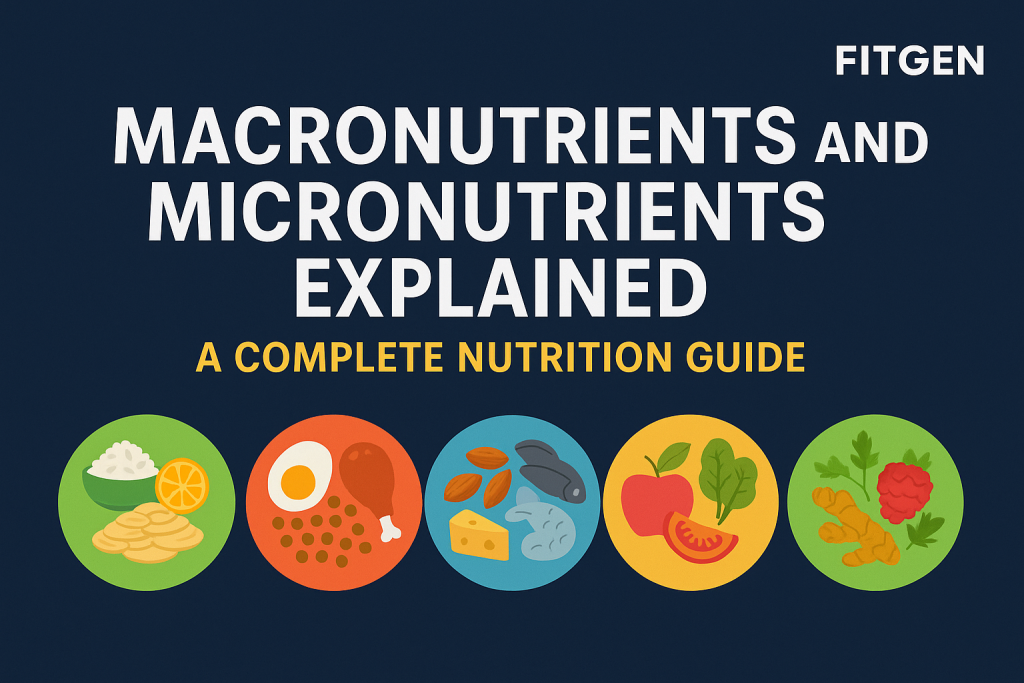
Micro and Macro nutrients Explained and A complete Guidelines for All Ages.

Macronutrients and Micronutrients Explained: A Complete Nutrition Guide

>A Intro Paragraph

Macronutrients and micronutrients are the foundation of a healthy body and an active lifestyle. Every food we eat provides nutrients that help us produce energy, build muscle, strengthen immunity, and recover from daily stress and workouts. Understanding how macronutrients like carbohydrates, proteins, and fats work together with micronutrients such as vitamins, minerals, and antioxidants helps create a balanced diet that supports both health and fitness at every age.

📊 Nutrients at a Glance (Intro Graphic Chart)

Nutrient Type Main Role in Body Examples
Carbohydrates Energy for workouts & brain Rice, oats, fruits
Protein Muscle repair & growth Eggs, dal, chicken
Fats Hormones & joint health Nuts, ghee, fish
Vitamins Immunity & recovery Fruits, vegetables
Minerals Bones & muscle function Calcium, iron
Antioxidants Reduce stress & inflammation Berries, turmeric

This chart helps readers instantly understand how nutrition works.

What Are Nutrients and Why Do They Matter?

Nutrients are substances in food that your body needs to survive, grow, and perform daily activities efficiently. They help with:

  • Energy production

  • Muscle building and repair

  • Organ function

  • Bone strength

  • Mental focus

  • Workout recovery

A diet lacking nutrients can lead to fatigue, weakness, poor immunity, and slow fitness progress.

Macronutrients: The Energy & Muscle Builders

Macronutrients are required in larger quantities because they provide calories.

1. Carbohydrates – The Primary Fuel

Carbohydrates are the body’s main energy source.

Why carbs are important:

  • Fuel workouts and daily activity

  • Prevent tiredness and dizziness

  • Support brain function

Healthy carb food examples:

  • Rice, chapati, oats

  • Potatoes, sweet potatoes

  • Fruits like banana, apple

  • Vegetables

>>Fitness Insight:
Low-carb diets can reduce workout performance. Smart carbs improve strength and endurance.

2. Protein – The Muscle Builder

Protein repairs and builds muscles and tissues.

Protein food examples:

Vegetarian

  • Dal, beans, chickpeas

  • Paneer, curd, milk

  • Soy, tofu

Non-Vegetarian

  • Eggs

  • Chicken

  • Fish

👉 Fitness Insight:
Protein is essential after workouts for muscle recovery and growth.

3. Fats – The Hormone Supporter

Healthy fats support hormones, joints, and brain health.

Healthy fat sources:

  • Nuts and seeds

  • Avocado

  • Olive oil

  • Ghee (moderate)

  • Fatty fish

>>Fitness Insight:
Avoid trans fats but never cut healthy fats completely.

Micronutrients: The Health & Recovery Boosters

Micronutrients are needed in smaller amounts but are equally vital.

Vitamins – Body Regulators

Vitamin Benefit Food Sources
Vitamin A Vision & immunity Carrot, spinach
Vitamin B Energy metabolism Eggs, grains
Vitamin C Immunity & healing Citrus fruits
Vitamin D Bone strength Sunlight, dairy
Vitamin E Cell protection Nuts, seeds

Minerals – Strength & Balance

Mineral Role Food Sources
Calcium Bone health Milk, paneer
Iron Prevents fatigue Spinach, dates
Magnesium Muscle recovery Nuts, seeds
Potassium Prevents cramps Banana
Zinc Immunity Eggs, seeds

Antioxidants – Internal Body Protection

Antioxidants protect cells from stress, pollution, and intense workouts.

Antioxidant-rich foods:

  • Berries

  • Green tea

  • Tomatoes

  • Turmeric

  • Leafy vegetables

>>Fitness Insight:
They reduce soreness and speed up recovery.

🏋️ Gym-Focused Nutrition Timing Guide

This section makes your article highly valuable for fitness students.

Pre-Workout Nutrition (30–90 minutes before)

Purpose: Energy & performance

What to eat:

  • Banana + peanut butter

  • Oats with fruit

  • Toast with honey

  • Black coffee (optional)

Why it matters:

  • Prevents weakness

  • Improves strength

  • Enhances fat burning

Post-Workout Nutrition (Within 30–60 minutes)

Purpose: Muscle recovery & repair

What to eat:

  • Protein shake or milk

  • Eggs or paneer

  • Chicken or fish

  • Rice or chapati with vegetables

Why it matters:

  • Repairs muscle fibers

  • Reduces soreness

  • Supports muscle growth

Daily Nutrition for Gym Recovery

  • Protein in every meal

  • Plenty of water

  • Fruits & vegetables for vitamins

  • Healthy fats for joints

  • 7–8 hours sleep

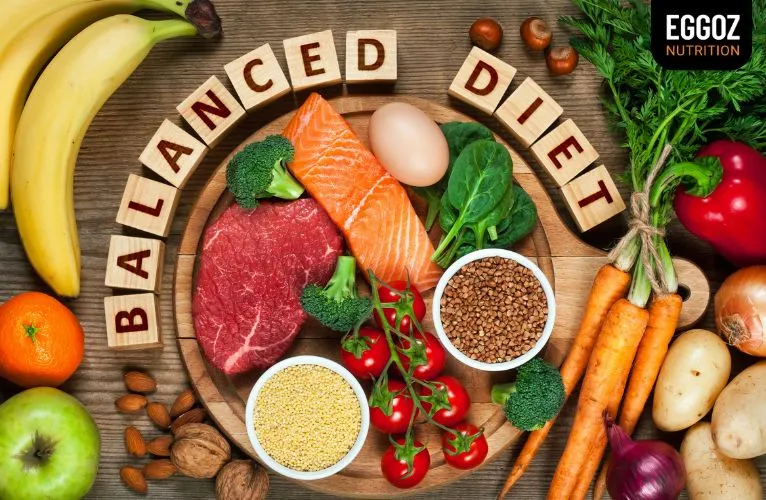
Balanced Diet: Putting Everything Together

A balanced diet means combining:

  • Carbs for energy

  • Protein for muscle

  • Fats for hormones

  • Vitamins & minerals for immunity

  • Antioxidants for recovery

Balanced plate rule:

  • Half vegetables & fruits

  • One-quarter protein

  • One-quarter carbs

  • Small portion of healthy fats

Common Nutrition Mistakes in Fitness

  • Skipping meals

  • Only focusing on protein

  • Avoiding carbs completely

  • Ignoring vegetables

  • Relying on supplements

Nutrition for All Age Groups

  • Children: Growth & immunity

  • Youth: Performance & stamina

  • Adults: Weight & metabolism control

  • Seniors: Muscle & bone protection

Final Thoughts/Conclusion

Macronutrients and micronutrients are not trends they are essentials. When you fuel your body with the right nutrients at the right time, fitness becomes easier, recovery becomes faster, and health improves naturally. A balanced diet combined with smart workout nutrition timing is the true foundation of a strong and healthy life
Health and Fitness Tips for a Strong, Active & Healthier Life

Health and fitness tips Explained in detail for a strong and Sophisticated life,

Health and Fitness Tips for a Strong, Active & Healthier Life

>>Introduction: What Are Health and Fitness Tips?

Health and fitness tips are practical guidelines that help people improve their physical strength, mental well-being, and overall lifestyle through daily habits. Health is not just about avoiding illness, and fitness is not only about going to the gym or building muscles. True health and fitness mean having good energy, proper digestion, sound sleep, emotional balance, and the ability to perform daily activities without fatigue.

In today’s modern lifestyle, people often sit for long hours, eat irregularly, sleep late, and depend heavily on processed food. Over time, this leads to weight gain, stress, poor immunity, low stamina, and lifestyle-related problems. Health and fitness tips guide people to make small but powerful changes that create long-term results.

This article explains what health and fitness really mean, how new-generation people can follow them through gym workouts, diet habits, recovery, sleep, and daily lifestyle tips, and how anyone regardless of age can apply these tips in real life.

>>Understanding Health and Fitness in a Very Simple Way

  • Health means your body and mind are functioning properly. You feel energetic, calm, focused, and free from frequent illness.

  • Fitness means your body has the strength, flexibility, stamina, and endurance to handle daily tasks easily.

Health and fitness are deeply connected. You cannot stay fit without good health, and you cannot maintain health without basic physical activity. A balanced approach includes:

  • Nutritious food

  • Regular movement

  • Proper sleep

  • Stress control

  • Consistent routines

Why Health and Fitness Tips Are Important for Everyone?

Health and fitness tips are not only for athletes or gym lovers. They are essential for:

  • Students spending long hours studying or on screens

  • Office workers with desk jobs

  • Homemakers managing daily responsibilities

  • Seniors maintaining mobility and independence

Following simple tips helps:

  • Improve daily energy and focus

  • Prevent lifestyle diseases

  • Maintain healthy weight

  • Improve confidence and mental peace

  • Increase quality of life

New-Generation Health & Fitness Tips (Gym + Diet + Lifestyle)

The new generation has access to gyms, apps, and online fitness content. However, without correct guidance, many people overtrain, under-eat, or follow extreme routines. Modern fitness should focus on sustainability, balance, and recovery, not shortcuts.

Core Principles

  • Consistency matters more than intensity

  • Recovery is as important as workouts

  • Diet supports fitness, not replaces it

  • Sleep is non-negotiable

Health and Fitness Tips for Gym Beginners:

1. Start Slow and Focus on Form

Lifting heavy weights without proper form increases the risk of injury. Beginners should prioritize technique over weight.

2. Warm-Up Is Mandatory

A proper warm-up prepares muscles and joints.

  • 5–10 minutes of walking or cycling

  • Dynamic stretching

3. Rest Days Are Growth Days

Muscles repair and grow during rest. Training every day without recovery leads to burnout and slow progress.

What to Eat Before a Workout (Pre-Workout Tips)

Pre-workout meals provide energy and improve performance.

Best Pre-Workout Foods

  • Banana with peanut butter

  • Oats with fruits

  • Whole wheat toast

  • Bread with Peanut butter

  • Black coffee or tea (optional)

Why It Matters

  • Prevents dizziness and weakness

  • Improves strength and stamina

  • Enhances fat burning

Avoid oily and heavy meals before workouts.

What to Eat After a Workout (Post-Workout Tips)

Post-workout nutrition helps the body recover.

Best Post-Workout Foods

  • Protein shake or milk

  • Eggs, paneer, dal

  • Chicken or fish

  • Rice or chapati with vegetables

  • Fruits like banana or berries

Benefits

  • Repairs muscles

  • Reduces soreness

  • Restores energy

  • Supports muscle growth

Eat within 30–60 minutes after exercise.

Diet Tips for Overall Health and Fitness

Diet is the foundation of health.

Healthy Eating Guidelines

  • Eat balanced meals

  • Prefer home-cooked food

  • Include fruits and vegetables daily

  • Drink 2–3 liters of water

  • Avoid excess sugar and junk food

Mindful Eating Habits

  • Eat slowly

  • Avoid screens during meals

  • Control portion sizes

  • Avoid late-night heavy meals

Hydration: The Most Ignored Health Tip

Water supports digestion, muscle function, joint movement, and temperature control.

Hydration Tips

  • Drink water after waking up

  • Sip water throughout the day

  • Increase intake on workout days

  • Add lemon or mint if needed

Many people feel tired due to dehydration, not hunger.

Protein Intake: Essential for All Age Groups

Protein is not just for bodybuilders. It supports muscle repair, immunity, and aging health.

Easy Protein Sources

  • Eggs, milk, curd, paneer

  • Dal, beans, chickpeas

  • Chicken, fish

  • Nuts and seeds

Include protein in every meal for best results.

Stretching & Mobility for Pain-Free Living

Stretching improves flexibility and reduces stiffness.

When to Stretch

  • Light stretching in the morning

  • Dynamic stretches before workouts

  • Static stretches after workouts

Just 10 minutes daily can prevent back, neck, and joint pain.

Sleep: The Most Powerful Recovery Tool

Sleep is essential for physical and mental recovery.

Why 7–8 Hours of Sleep Is Important

  • Repairs muscles

  • Balances hormones

  • Improves focus and mood

  • Supports fat loss and muscle gain

  • Strengthens immunity

Tips for Better Sleep

  • Fixed sleep schedule

  • Avoid screens before bed

  • Reduce caffeine at night

  • Calm sleeping environment

Consistency Over Motivation

Motivation is temporary. Consistency builds results.

How to Stay Consistent

  • Follow a simple routine

  • Do short workouts on busy days

  • Show up even when energy is low

Even small daily efforts create big long-term changes.

Track Progress the Right Way

The weighing scale is not the only indicator.

Better Progress Markers

  • Body measurements

  • Energy levels

  • Strength improvement

  • Better sleep

  • Improved digestion

Real progress goes beyond numbers.

Avoid Over-Supplementation

Supplements support diet but cannot replace real food.

Smart Supplement Tips

  • Focus on food first

  • Use protein powder only if needed

  • Avoid extreme fat burners

  • Seek expert advice

Natural nutrition gives sustainable results.

Stress Management: Fitness for the Mind

Chronic stress affects weight, digestion, sleep, and immunity.

Simple Stress-Relief Practices

  • Deep breathing

  • Walking outdoors

  • Meditation or prayer

  • Limiting screen time

Mental fitness supports physical health.

Health and Fitness Tips for All Age Groups

  • Youth: Build habits early

  • Adults: Focus on balance and prevention

  • Seniors: Maintain strength and mobility

Age should never stop health improvement.

Final Thoughts: Fitness Is a Lifestyle

Health and fitness are not temporary goals. They are lifelong practices built through small, consistent habits. You don’t need perfection only patience, discipline, and self-care.

Every healthy choice you make today creates a stronger, healthier tomorrow.

Health and fitness tips are not rules  they are guidelines to live better. You do not need perfection. You need consistency, patience, and self-care. Small daily actions, when followed regularly, lead to big results.

Whether your goal is weight loss, muscle gain, better energy, or mental peace, following basic health and fitness tips will help you build a stronger body, healthier mind, and happier life for longevity.

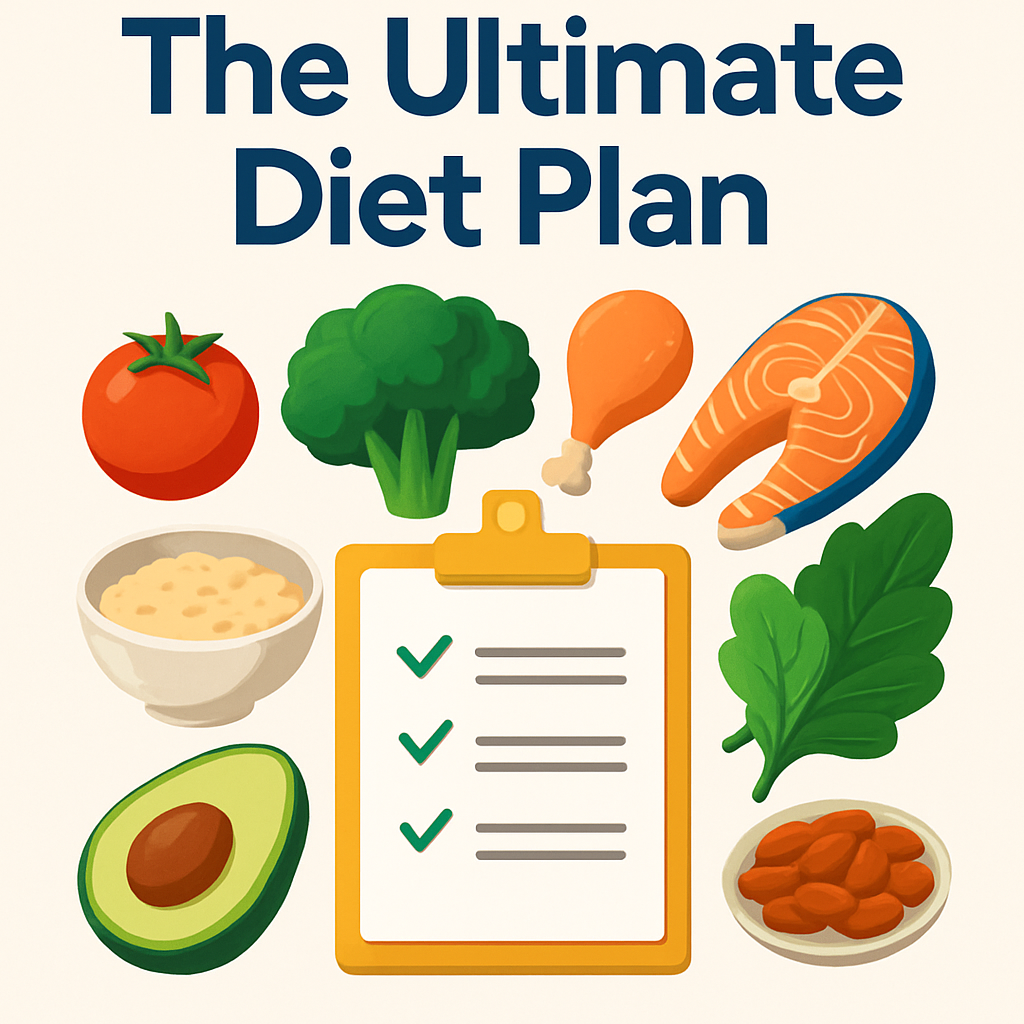
The Ultimate Daily Diet Plan for Total Body Wellness And Healthy Living

Your Complete Instructions to Vegan and Non-Veg Nutrition/Health

What Is a Diet? Why a Diet Plan Matters for Every Age Group

A diet simply means the food you eat every day the fuel that keeps your body running. But a diet plan is a structured way of eating that helps you reach specific goals such as weight loss, weight gain, muscle building, better digestion, more energy, or overall health.

Different age groups have different nutritional needs:

  • Children need more vitamins, minerals, and proteins for growth.

  • Teenagers & Young adults require higher energy and protein for body development.

  • Mid-age adults need balanced meals to control weight, immunity, and metabolism.

  • Older adults need soft, nutrient-rich, easily digestible foods to maintain strength.

A good diet plan does not mean eating less or eating only certain foods. It means choosing the right amount of the right nutrients at the right time  according to your age, body, lifestyle, and goals.

Below are simple, attractive diet charts designed for weight loss and weight gain, both vegetarian and non-vegetarian


These charts work for people of all age groups because they focus on balanced nutrition, easy meals, and realistic food habits.

🌿 VEGETARIAN DIET CHART  WEIGHT LOSS

Daily Calories: 900–1200 kcal For teens, adults, mid-age, seniors

Meal TimeFood OptionsCalories
MorningWarm lemon water / Jeera water0
BreakfastVeg oats / 2 Besan chilla / Poha / Upma200–250
Mid-Morning1 fruit (apple/orange/papaya) + green tea50–80
Lunch2 chapati + Dal + Sabzi + Salad300–350
Evening SnackRoasted chana / Coconut water50–100
DinnerVeg soup / Moong dal + sabzi / Light khichdi200–250
Daily Total900–1200 kcal

Best for fat loss, digestion, and reducing bloating.

🥛 VEGETARIAN DIET CHART – WEIGHT GAIN

Daily Calories: 2000–2500 kcal | For skinny teens, athletes, adults

Meal TimeFood OptionsCalories
MorningAlmonds + Banana100–150
BreakfastPaneer paratha + curd / Peanut butter sandwich + milk / Oats + dry fruits350–450
Mid-MorningBanana shake / Mango shake / Nuts + dates250–300
Lunch3 chapati + Dal + Paneer sabzi + 1 bowl rice + salad500–650
Evening SnackCheese sandwich / Sprouts chaat / Peanut chikki200–300
DinnerPaneer curry + rice / Veg biryani + raita / Roti + sabzi + dal450–550
Daily Total2000–2500 kcal

Ideal for building muscle, improving strength, and healthy weight gain.

🍗 NON-VEGETARIAN DIET CHART – WEIGHT LOSS

Daily Calories: 1000–1300 kcal | For adults, mid-age, seniors

Meal TimeFood OptionsCalories
MorningLemon water / Black coffee0–10
Breakfast2 boiled eggs + fruit / Omelette / Oats + 1 egg200–250
Mid-MorningCoconut water / Fruit40–70
LunchChapati + dal + 100g grilled chicken / Brown rice + grilled fish350–400
Evening Snack1 boiled egg / Lemon water70–120
DinnerGrilled chicken + veggies / Egg curry + salad / Light fish soup220–300
Daily Total1000–1300 kcal

Great for fat loss, muscle toning, and metabolic improvement.

🍳 NON-VEGETARIAN DIET CHART – WEIGHT GAIN

Daily Calories: 2200–2800 kcal | For muscle building & overall gain

Meal TimeFood OptionsCalories
MorningAlmonds + Banana150–200
BreakfastScrambled eggs + toast / Chicken sandwich / Oats + milk + dry fruits400–550
Mid-MorningChocolate milk / Peanut chikki + fruit200–300
LunchRice + dal + chicken curry / Chapati + egg curry + sabzi + salad700–850
Evening SnackEgg wrap / Chicken sandwich300–350
DinnerChicken biryani + raita / Grilled fish + rice / Egg curry + rotis500–700
Daily Total2200–2800 kcal

Provides steady muscle gain, increased stamina, and healthy strength.

>Final Extra Tips for Everyone 

✔ For Weight Loss

  • Eat slowly; your stomach needs 20 minutes to feel full.

  • Drink water before meals to naturally reduce calories.

  • Avoid late-night eating—it increases fat storage.

✔ For Weight Gain

  • Eating more frequently is the key.

  • Add ghee, nuts, eggs, and paneer for extra calories.

  • Strength training turns food into muscle, not fat.

✔ For All Age Groups

  • Children need more calcium & protein.

  • Adults need balanced meals to avoid lifestyle diseases.

  • Seniors need easy-to-digest, nutrient-rich foods.

Balanced Diet Guide for Healthy Living Life and a Healthy Body

Balanced Diet Guide for Healthy Living For All Age Groups.

Balanced Diet Guide for Healthy Living Across All Age Groups People 

A balanced diet is essential at every stage of life, but the nutritional needs of the body change as we grow. From childhood to old age, what we eat directly affects our energy, immunity, mental clarity, and long-term health. Understanding the unique dietary needs of each age group helps build strong foundations and prevents many lifestyle-related health issues.

Balanced Diet for Children (4–12 years)

Children require nutrient-dense foods because their bodies are growing rapidly. Their diet should include whole grains, milk or dairy alternatives, fresh fruits, vegetables, and lean proteins. Calcium-rich foods like milk, paneer, yogurt, ragi, almonds, and leafy greens support bone development. Protein sources such as eggs, lentils, fish, and chicken help build tissues and support immunity. Children need healthy fats from nuts, seeds, and avocado for brain development. Limiting processed snacks, sugary drinks, and excessive fried foods helps maintain healthy weight and energy levels.

Balanced Diet for Teenagers & Young Adults (13–25 years)

This stage involves hormonal changes, academic stress, and increased physical activity. Young individuals need more protein for muscle growth and recovery, especially if they play sports or work out. Complex carbs like oats, brown rice, and whole wheat give long-lasting energy. Iron-rich foods such as spinach, beans, dates, and lean meats prevent fatigue. Hydration and micronutrients like vitamin D, B12, and omega-3 are crucial for mental focus. Avoiding junk food, excessive caffeine, and late-night eating helps maintain hormonal balance and ideal body composition.

Balanced Diet for Mid-Age Adults (26–50 years)

During this stage, metabolism naturally slows down, and lifestyle disorders like weight gain, diabetes, and high cholesterol become more common. A diet rich in fiber, whole grains, vegetables, fruits, and lean proteins helps maintain metabolic health. Reducing refined carbs and choosing healthy fats like olive oil, nuts, and seeds helps balance cholesterol levels. Adults should include antioxidant-rich foods such as berries, tomatoes, turmeric, ginger, and green tea to reduce inflammation. Portion control, mindful eating, and consistent hydration are essential for preventing weight gain.

Balanced Diet for Older Adults (50+ years)

As the body ages, nutrient absorption decreases, and muscle mass tends to drop. Older adults benefit from protein sources like eggs, fish, tofu, dal, and dairy to maintain strength. Calcium, vitamin D, and magnesium support bone health, reducing the risk of fractures. Fiber from fruits, vegetables, and whole grains helps improve digestion. Soft, easy-to-chew foods may be useful depending on dental health. Reducing salt, unhealthy fats, and sugars supports heart health and blood pressure. Hydration becomes even more important to prevent fatigue and weakness.

Final Thoughts/ Conclusion

A balanced diet is not one-size fits all. Each age group requires different nutrients, but the foundation remains the same whole foods, seasonal produce, proper hydration, and mindful eating. When combined with regular physical activity and adequate sleep, a balanced diet becomes a powerful tool for lifelong health.

Nutrition and Health Guide for a Healthy Lifestyle

Eat Good , Live Better: A Complete Guide to Nutrition & Health

MAIN-Nutrition and Health Tips for a Healthy Lifestyle focuses on helping you build a stronger, healthier body through smart eating habits, balanced nutrition, and simple wellness practices. Whether your goal is weight loss, muscle gain, better energy, or overall fitness, this category provides easy-to-follow guidance backed by science and real-life results.

>>Maintaining good nutrition and overall health has become more important than ever in today’s fast-paced lifestyle. Nutrition and Health Tips for a Healthy Lifestyle aims to simplify wellness by helping you understand what your body truly needs. A healthy lifestyle begins with balanced nutrition—choosing whole foods, staying hydrated, and eating mindfully. It’s not just about dieting; it’s about creating sustainable habits that support your long-term well-being.

Good nutrition provides the essential vitamins, minerals, and nutrients that fuel your daily activities, support muscle recovery, and strengthen your immune system. Incorporating a variety of fruits, vegetables, lean proteins, whole grains, and healthy fats can significantly improve your energy levels and mood. Small choices, such as reducing processed foods and sugary drinks, can make a huge difference in your overall health.

In addition to food, staying active and managing stress are key components of a healthy lifestyle. Even simple activities like walking, stretching, or light workouts help improve metabolism and maintain a balanced weight. Proper sleep and hydration further support your body’s natural processes, keeping your mind sharp and your body energized.

This category offers practical nutrition tips, healthy recipes, portion guides, and lifestyle advice suitable for beginners and fitness enthusiasts. Whether you’re trying to lose weight, improve digestion, build muscle, or enhance your mental clarity, you’ll find easy steps that fit into your daily routine. By combining healthy eating with consistent exercise and mindful habits, you can create a lifestyle that not only improves your physical health but also boosts your confidence and overall happiness.

Strength Training build muscles, power and Fitness for longevity

Strength Training Explained That you can follow easily and add in Your daily Workout.

Strength Training: Build Power, Muscle, Confidence, and a Stronger You
 
Strength training is one of the most powerful ways to transform your body and mind. It helps you build lean muscle, burn fat, boost energy, improve posture, and become stronger in daily life. Whether you’re a total beginner or someone who wants to level up their fitness journey, strength training gives structure, discipline, and long-lasting results.
 
Below is the complete guide with workout types, daily schedules, beginner to advanced routines, pull-up progression, muscle-up training, and real-life tips to help you get stronger.
 
 
⭐ What Is Strength Training?
 
Strength training is a type of workout where you use resistance like weights, machines, or your bodyweight to challenge your muscles. This effort breaks down muscle fibers. When you rest, your body rebuilds them stronger and thicker.
 
Types of resistance:
•Bodyweight
•Dumbbells
•Barbells
•Kettlebells
•Resistance bands
•Gym machines
 
Strength training doesn’t just change your physique — it upgrades your health, metabolism, and mindset.
 
 
🌟 Why Strength Training Is Important
•Builds strong muscles
•Boosts metabolism for fat loss
•Improves posture and reduces joint pain
•Strengthens bones
•Enhances mood and mental clarity
•Makes everyday activities easier
•Prevents injuries
 
Strength training improves your overall quality of life.
 
 
🏋️ How Many Days Should You Train?
 
✔ Beginners: 3 days/week
 
✔ Intermediate: 4 days/week
 
✔ Advanced: 5–6 days/week
 
Muscles grow during rest not during workouts so rest days matter.
 
 
⚡ Strength Training Types With Daily Schedules
 
(Your required part each category now has a day-wise plan)
 
 
1. Beginner Strength Training
 
If you’re new, start slow and focus on basic movements.
 
🔥 Beginner Weekly Schedule (3 Days/Week)
 
Day 1 (Monday)– Full Body Strength
•Squats – 3×12
•Push-Ups – 3×10
•Dumbbell Rows – 3×12
 
Day 2 (Tuesday)– Rest
 
Day 3 – Full Body Strength
•Lunges – 3×10
•Shoulder Press – 3×12
•Plank – 30 sec
 
Day 4 – Rest
 
Day 5 – Full Body Strength
•Deadlifts (light) – 3×10
•Chest Press – 3×12
•Glute Bridges – 3×15
 
Weekend – Optional light cardio(treadmill, cycling)
 
 
2. Push Pull Legs (PPL) Training
 
One of the best splits for fast muscle growth.
 
🔥 PPL Weekly Schedule
 
Day 1 (Monday)– Push (Chest, Shoulders, Triceps)
•Bench Press – 4×8
•Incline dumbbell Press-3×10
•Shoulder Press – 3×12
•lateral raises -3×10
•Tricep Dips – 3×12
•tricep overhead-3×12    
 
Day 2 (Tuesday)– Pull (Back, Biceps)
•Pull-Ups – 2×8
•Rows – 4×10
•latpull down -4×12
•Bicep Curls – 3×12
•Incline dumbbell curls-3×10
 
Day 3 (Wednesday)– Legs (Lower Body)
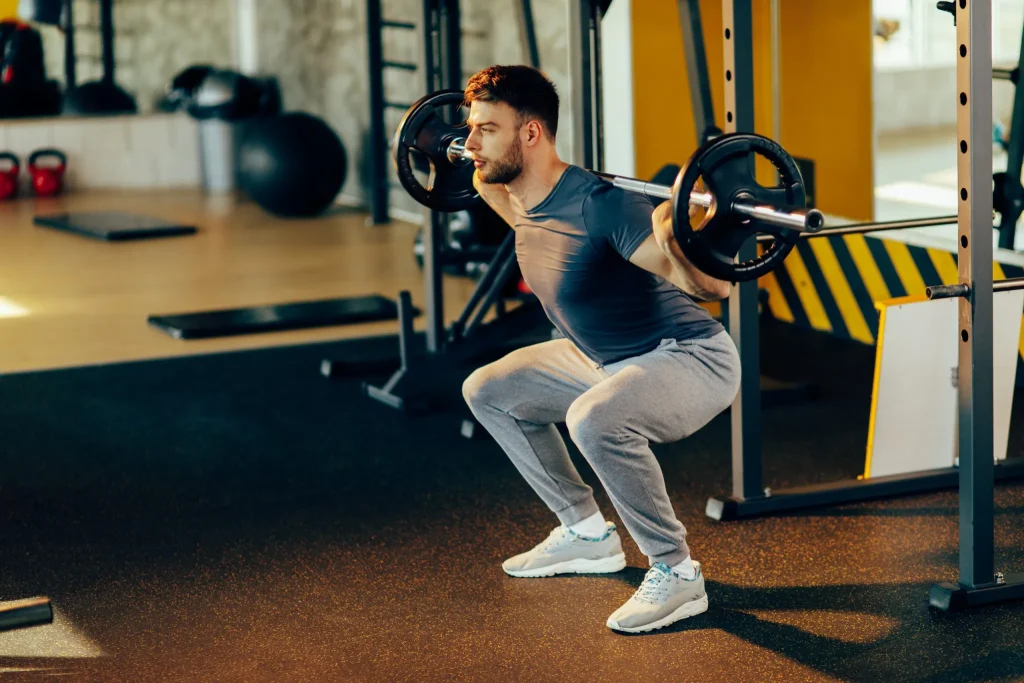
•Squats – 4×8
•Leg Press – 3×12
•Leg Curls -3×10
•Calf Raises – 4×20
 
Day 4 (Thursday)– Rest One day
 
Day 5 (Friday)– Push but light weight 
 
Day 6 (Saturday)– Pull but with light weight
 
Day 7 – Legs and Cardio
 
This is the advanced version (6 days).
Beginners can do 3 days: Push → Pull → Legs.
 
 
3. Normal Full-Body Workout
 
Perfect for people who want results with fewer training days.
 
🔥 Full-Body Weekly Schedule (3 Days)
 
Day 1 (Monday)– Full Body Strength
•Squats
•Bench Press
•Lat Pulldown
•Shoulder Press
•Plank
 
Day 2 (Tuesday)– Rest
 
Day 3 (Wednesday)– Full Body Power (Strength + Speed)
•Deadlifts
•Lunges
•Dumbbell Rows
•Push-Ups
•Farmer Carry
 
Day 4 (Thursday)– Rest
 
Day 5 (Friday)– Full Body Muscle Gain
•Leg Press
•Chest Press
•Barbell Row
•Bicep/Tricep Superset
 
Weekend: Stretching or Abs
 
 
4. Leg-Day Strength Workout with cardio session.
 
>> Some Info about Legs that are the foundation of strength.
 
🔥 Weekly Leg-Focused Schedule
 
Day 1 (Monday)– Strength Legs
•Squats
•Romanian Deadlifts
•Leg Press
 
Day 2 (Tuesday)– Upper Body Workout
 
Day 3 (Wednesday)– Power Legs
•Jump Squats
•Walking Lunges
•Box Jumps
 
Day 4 (Thursday)– Rest
 
Day 5 (Friday)– Glute & Hamstring Day
•Hip Thrusts
•Hamstring Curls
•Calf Raises
 
2–3 leg sessions per week give the best results.
 
 
5. Pull-Up Training Routine
 
Great for back, shoulders, and core strength.
 
🔥 Weekly Pull-Up Schedule (Beginner to Intermediate)
 
Day 1 – Pull-Up Strength
•Dead Hangs – 20 sec
•Assisted Pull-Ups – 3×8
•Rows – 3×10
 
Day 2 – Rest
 
Day 3 – Pull-Up Progression
•Negative Pull-Ups – 3×10
•Scapular Pull-Ups – 3×10
 
Day 4 – Rest
 
Day 5 – Pull-Up Practice Day
•Assisted or unassisted pull-ups
•Grip strength exercises
 
 
6. Muscle-Up Training Routine (Advanced)
 
A combination of explosive strength + technique.
 
🔥 Weekly Muscle-Up Schedule
 
Day 1 – Explosive Pull Day
•Explosive Pull-Ups
•Bar Hang
•High Pulls
 
Day 2 – Dip Strength Day
•Straight Bar Dips
•Weighted Dips
•Chest-to-Bar Pulls
 
Day 3 – Rest
 
Day 4 – Transition Practice
•Muscle-up transitions
•False grip training
 
Day 5 – Technique + Strength Mix
•Explosive drills
•Form correction
•Negative muscle-ups
 
This schedule builds the three skills required:
pull strength, dip strength, transition technique.
 
 
⭐ Perfect Weekly Strength Training Plan (All Levels)
 
✔ Beginners (3 Days)
 
Mon – Full Body
Wed – Full Body
Fri – Full Body
 
✔ Intermediate (4 Days)
 
Mon – Upper
Tue – Lower
Thu – Push
Fri – Pull + Legs
 
✔ Advanced (6 Days – PPL Twice)
 
Mon – Push
Tue – Pull
Wed – Legs
Thu – Push
Fri – Pull
Sat – Legs
 
 
🌱 Real-Life Success Tips
•Increase weight slowly
•Keep proper form
•Prioritize sleep
•Eat enough protein
•Track progress weekly
•Stay consistent — even on low energy days
 
Your body changes only when your discipline does.
 
⭐ Final Thoughts/Conclusion
 
Strength training transforms your body, boosts your confidence, sharpens your mindset, and strengthens you from within. No matter where you are in your fitness journey, you can start today and build a stronger version of yourself step by step.
 
Every rep brings you closer to your best self keep going and Keep learing with fitgen.

Circuit Training: Full-Body Workout for Strength, Speed & Endurance for Long-Term

Circuit Training Workouts: Build Strength, Speed & Endurance for Longevity

FitGen Guide: Easy and Effective Circuit Training for Total Body Fitness
 
Circuit training has become one of the most popular workout methods for people who want fast, effective, and flexible fitness results. At FitGen, we believe fitness should be simple, enjoyable, and achievable for everyone and circuit workouts match that perfectly. They combine strength, cardio, and functional movements in one routine, helping you stay active without spending hours in the gym.
 
Below is a clear, beginner friendly explanation of circuit training, mostly in points, designed to help you understand and apply this style of training with confidence.
 
Q What Is Circuit Training?
 
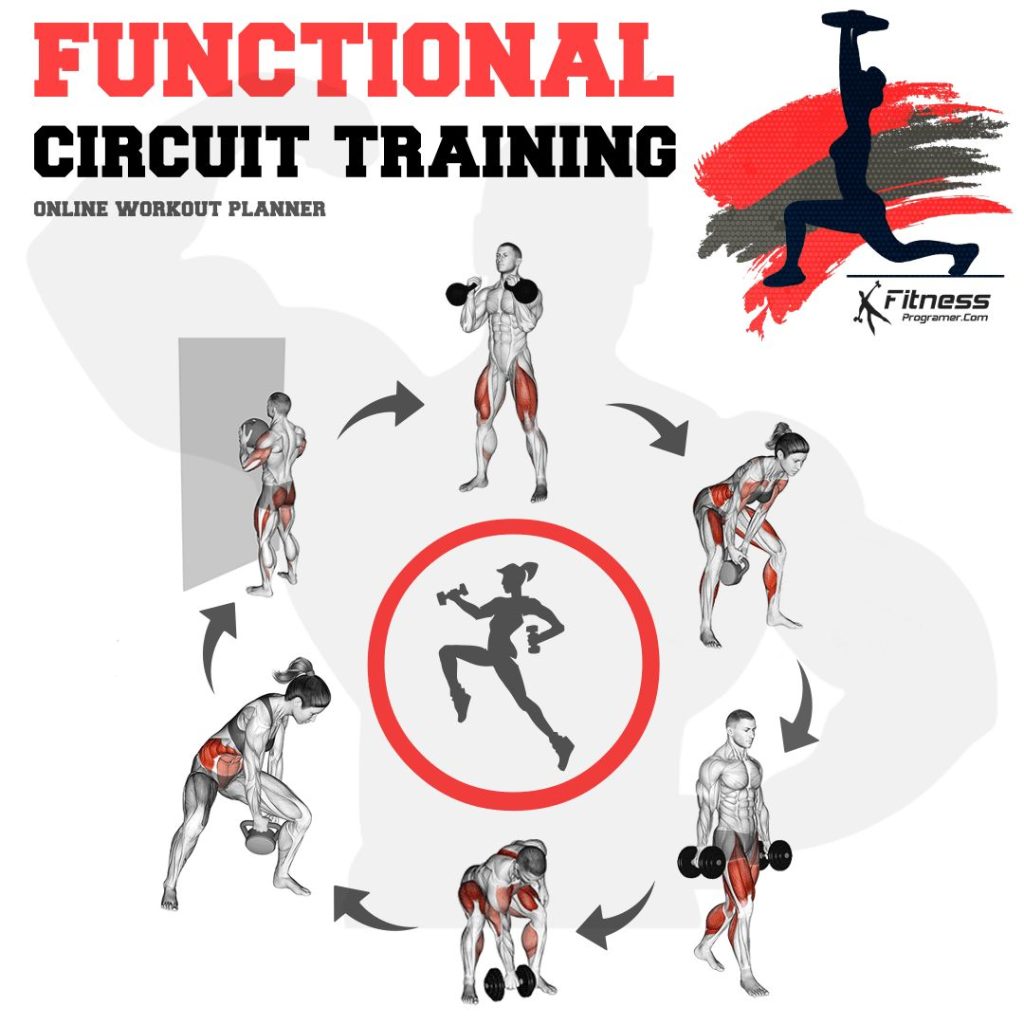
Circuit training is a workout format where you complete several exercises back-to-back with minimal rest. Each exercise is called a station. Once you finish all stations, you complete one “circuit,” and then repeat the whole round depending on your fitness level.
 
Key Points to Understand
•A circuit includes 6–10 exercises performed in sequence
•Rest between exercises is very short (10–30 seconds)
•One full round is called one circuit
•A typical session includes 2–4 circuits
•Great for full-body fitness, calorie burn, and strength building
•Can be done at home or in the gym
 
Circuit training works because it keeps your heart rate high while still engaging different muscles, making it one of the most efficient training methods available.
 
 
Why Circuit Training Fits the FitGen Lifestyle
 
At FitGen, we encourage practical fitness routines that fit into real life, not the other way around. Circuit training is perfect for busy people, students, beginners, and even advanced athletes because it delivers strong results in a short time.
 
Why we Recommends Circuit Training
•Time-saving most workouts take 20–30 minutes 
•Beginner-friendly  easy to start with simple exercises
•Flexible can be adjusted to any fitness level
•No equipment needed bodyweight exercises are enough
•Boosts both strength and cardio fitness
•Keeps the workout fun and non-boring
 
This style of training aligns perfectly with FitGen’s mission: fitness made simple and sustainable.
 
 
Main Benefits of Circuit Training
 
1. Full-Body Workout in Less Time
•Targets upper body, lower body, and core in one routine
•Ideal for people with busy schedules
•Saves time by eliminating long rest periods
 
2. Boosts Heart Health
•Elevates heart rate quickly
•Strengthens cardiovascular endurance
•Helps improve lung capacity
 
3. Enhances Muscle Strength and Tone
•Combines strength training with repetition
•Builds lean muscle mass
•Supports better posture and stamina
 
4. Excellent for Weight Loss
•High calorie burn due to fast pace
•Increases metabolism for hours after the workout
•Helps reduce body fat while maintaining muscle
 
5. Keeps Your Workouts Interesting
•Constantly moving from one exercise to another
•No time to feel bored or lose focus
•Variety helps motivation stay high
 
6. Suitable for Home Workouts
•No dumbbells? No problem.
•Bodyweight fitness exercises work perfectly
•Easy to do in small spaces
 
 
How to Build Your Own FitGen Circuit Training Routine
 
Creating your own circuit is simple. Here’s an easy step-by-step method:
 
Step 1: Pick Your Exercises
 
Choose 6–10 exercises that target different muscle groups.
 
Examples:
•Squats
•Jumping jacks
•Push-ups
•Lunges
•Mountain climbers
•Plank
•High knees
•Burpees
•Glute bridges
 
Step 2: Set the Duration
•Work for 30–45 seconds
•Rest for 10–20 seconds
 
Step 3: Complete the Circuit
•Perform all exercises in order
•That equals one circuit
 
Step 4: Repeat
•Do 2–4 circuits depending on your fitness level
 
Step 5: Cool Down
•Stretch for 5 minutes
•Focus on legs, chest, shoulders, and lower back
 
This structure keeps your workout balanced, effective, and consistent with the FitGen training style.
 
 
Sample Full-Body Circuit Training Routine
 
Here’s a simple yet powerful circuit that works for beginners and intermediate fitness levels:
 
Round 1 (40 sec each, 15 sec rest)
•Jumping jacks
•Squats
•Push-ups
•High knees
•Lunges
•Mountain climbers
•Plank
 
Rest 60 seconds.
 
Repeat the circuit 2–3 more times.
 
This routine hits your entire body, improves endurance, and burns calories all in under 30 minutes.
 
 
FitGen Tips for Successful Circuit Training
 
1. Start Slow
•Begin with shorter work periods
•Keep exercises simple
•Focus on form, not speed
 
2. Stay Consistent
•Aim for 3–4 circuit sessions per week
•Combine with walking or light cardio on other days
 
3. Mix Strength and Cardio
•Examples: squat (strength) + jumping jacks (cardio)
•Helps balance your program
•Improves overall fitness faster
 
4. Track Your Progress
•Count repetitions
•Increase duration
•Reduce rest time as you improve
 
5. Use Bodyweight First
•Master basic movements
•Add dumbbells only when comfortable
 
6. Stay Hydrated
•Drink water before, during, and after your workout
 
7. Listen to Your Body
•If pain appears, stop
•Modify exercises when needed
•Take rest days for recovery
 
 
Who Should Do Circuit Training?
 
Circuit training is suitable for almost everyone whether you’re beginning your fitness journey or looking to level up your performance.
 
Best for:
•People wanting quick and effective workouts
•Beginners who need simple routines
•Anyone looking to lose weight
•Athletes wanting extra conditioning
•Home workout lovers
•People with limited time
 
 
Final Thoughts on Circuit Training
 
Circuit training is one of the most efficient workout styles for building strength, improving endurance, and burning calories at the same time. Its flexibility makes it ideal for beginners, intermediate users, and anyone who prefers a fast-paced, effective training style. At FitGen, we encourage routines that help you stay consistent and confident  and circuit training fits that philosophy perfectly.
 
Whether you’re just starting your fitness journey or upgrading your routine, circuit training can help you get stronger, healthier, and more energetic  all while saving time.

Home Workout Guide: Effective Exercises You Can Do at Home easily.

Home workout Explained in Detail that You can do easily at home in a most effective way.

Complete Home Workout Guide: Build Strength & Stay Fit Without a Gym
 
Staying fit doesn’t always require a gym membership or expensive equipment. A home workout routine allows you to exercise anytime, anywhere, using simple movements and minimal space. Whether you want to lose weight, gain muscle, or improve stamina, home workouts give you full flexibility while still delivering strong results.
 
In this article, you’ll learn the benefits of home workouts, the best exercises for beginners, and a full routine you can start today.
 
 
💪 Why Home Workouts Are Effective
 
Home workouts have become extremely popular because they are:
 
1. Convenient
 
No need to travel to a gym—you can exercise right in your bedroom, living room, or balcony.
 
2. Budget-Friendly
 
Most home workouts require only your bodyweight. No dumbbells? No problem.
 
3. Beginner-Friendly
 
You can start slow and improve your form, strength, and endurance at your own pace.
 
4. Time-Saving
 
A 20–30 minute session is enough when done consistently.
 
5. Great for Full-Body Fitness
 
Home exercises can target all muscle groups~legs, chest, arms, core, and back.
 
> Best Home Workout Exercises
 
Here are some powerful exercises you can perform without equipment:
 
1. Push-Ups
 
Targets: Chest, shoulders, triceps, core
Push-ups improve upper body strength and also activate your core muscles.
 
2. Squats
 
Targets: Legs, glutes
Build lower-body strength and burn calories quickly.
 
3. Plank
 
Targets: Core
Planks strengthen your abs, back, and posture.
 
4. Glute Bridges
 
Targets: Glutes, lower back
Perfect for building strong hips and reducing back pain.
 
5. Jumping Jacks
 
Targets: Full body
A great cardio warm-up to increase heart rate.
 
6. Mountain Climbers
 
Targets: Core + Cardio
Helps burn fat and build stamina fast.
 
 
>20-Minute Home Workout Routine (No Equipment)
 
Follow this beginner-friendly routine:
 
Warm-Up (2 Minutes)
•30s marching in place
•30s arm circles
•30s hip rotations
•30s light jogging on the spot.
 
 
Main Workout (15 Minutes)
 
Perform each exercise for 40 seconds, rest 20 seconds, then move to the next.
1.Squats
2.Push-Ups
3.Glute Bridges
4.Mountain Climbers
5.Plank
6.Lunges (right & left)
7.Jumping Jacks
Repeat the circuit two times.
 
 
Cool Down (3 Minutes)
•Hamstring stretch
•Quad stretch
•Shoulder stretch
•Deep breathing


✨ Tips for Better Results
•Stay consistent for 4–5 days a week.
•Track your progress (reps, time, weight loss, etc.).
•Increase intensity gradually.
•Maintain a balanced diet with enough protein.
•Drink enough water throughout the day.
 
🎯 Final Thoughts/ Conclusion
 
Home workouts make fitness easy, flexible, and achievable for everyone. You don’t need a gym to build a strong body—just dedication and a simple routine. Start slow, stay consistent, and enjoy the progress you make every week.

Cardio Workouts Explained: Benefits, Exercises & How to Start for all age groups

Cardio Workouts Explained: Benefits, Exercises & How to Start

What Is Cardio?
 
Cardio, or cardiovascular exercise, is any type of physical activity that increases your heart rate and helps your body use oxygen more efficiently. These exercises improve stamina, burn calories, strengthen your heart, and keep your lungs healthy.
 
Whether you want to lose weight, build endurance, or stay active, cardio is one of the most effective types of workouts.
 
 
>Benefits of Cardio Workouts
 
1. Helps in Weight Loss
 
Cardio burns calories quickly, making it great for fat loss.
 
2. Strengthens Your Heart
 
Regular cardio exercises make your heart stronger and reduce the risk of heart diseases.
 
3. Improves Lung Capacity
 
It helps your lungs take in more oxygen and work better during physical activities.
 
4. Boosts Mood & Energy
 
Cardio releases endorphins, also known as “feel-good hormones,” which reduce stress and improve energy levels.
 
5. Supports Better Sleep
 
Daily cardio helps you fall asleep faster and improves sleep quality.
 
🏃‍♂️ Types of Cardio Workouts
 
You can choose the type of cardio that fits your goals and lifestyle.
 
1. Low-Intensity Cardio
•Walking
•Light jogging
•Slow cycling
Ideal for beginners.
 
2. Moderate-Intensity Cardio
•Brisk walking
•Running
•Stair climbing
•Swimming
 
3. High-Intensity Cardio
•HIIT (High-Intensity Interval Training)
•Sprinting
•Jump rope
Great for maximum fat-burning.
 
4. Home-Based Cardio Exercises
 
Perfect for training at home:
•Jumping jacks
•High knees
•Burpees
•Mountain climbers
 
No equipment needed.
 
 
>How Much Cardio Should You Do?
 
For beginners:
•20–30 minutes per day
•3–5 days a week
 
As you improve, increase either:
•Time
•Speed
•Intensity
 
*Best Beginner Cardio Routine (At Home)
 
Try this 10-minute routine:
1.Jumping Jacks — 30 seconds
2.High Knees — 30 seconds
3.Butt Kicks — 30 seconds
4.Mountain Climbers — 20 seconds
5.Rest — 30 seconds
Repeat 2–3 times.
 
 
📰Conclusion/Final thoughts
 
Cardio is an essential part of fitness that improves your heart health, burns fat, and boosts your energy. Whether you’re working out in a gym or at home, cardio can easily be added to your daily routine.