Macronutrients and Micronutrients Explained: A Complete Nutrition Guidelines
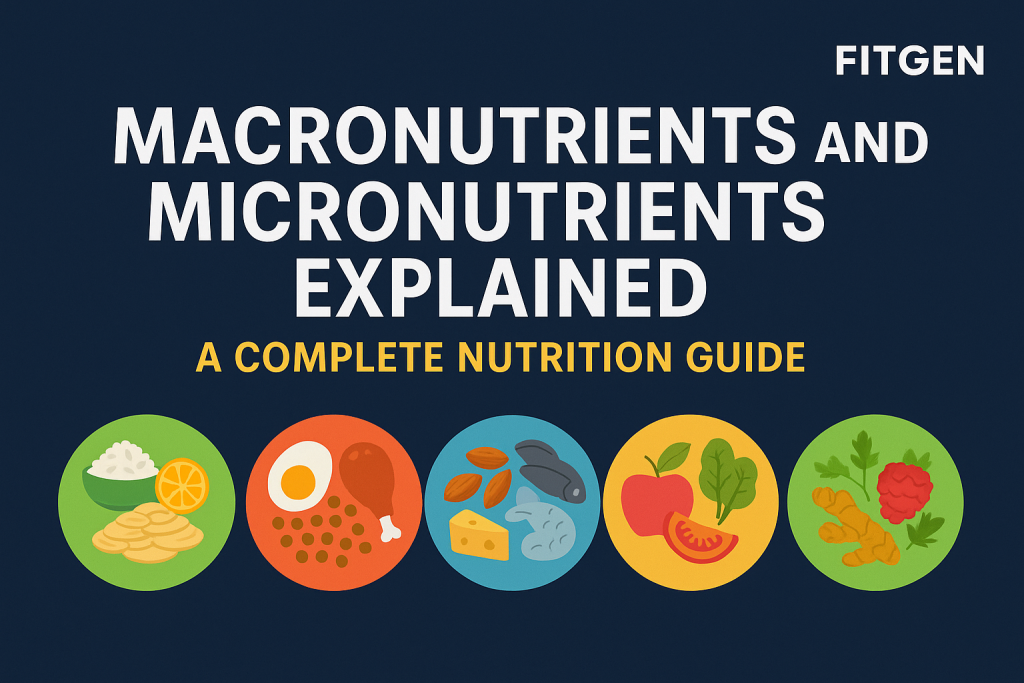
Micro and Macro nutrients Explained and A complete Guidelines for All Ages.
Macronutrients and Micronutrients Explained: A Complete Nutrition Guide
>A Intro Paragraph
Macronutrients and micronutrients are the foundation of a healthy body and an active lifestyle. Every food we eat provides nutrients that help us produce energy, build muscle, strengthen immunity, and recover from daily stress and workouts. Understanding how macronutrients like carbohydrates, proteins, and fats work together with micronutrients such as vitamins, minerals, and antioxidants helps create a balanced diet that supports both health and fitness at every age.
📊 Nutrients at a Glance (Intro Graphic Chart)
| Nutrient Type | Main Role in Body | Examples |
|---|---|---|
| Carbohydrates | Energy for workouts & brain | Rice, oats, fruits |
| Protein | Muscle repair & growth | Eggs, dal, chicken |
| Fats | Hormones & joint health | Nuts, ghee, fish |
| Vitamins | Immunity & recovery | Fruits, vegetables |
| Minerals | Bones & muscle function | Calcium, iron |
| Antioxidants | Reduce stress & inflammation | Berries, turmeric |
⭐ This chart helps readers instantly understand how nutrition works.
What Are Nutrients and Why Do They Matter?
Nutrients are substances in food that your body needs to survive, grow, and perform daily activities efficiently. They help with:
-
Energy production
-
Muscle building and repair
-
Organ function
-
Bone strength
-
Mental focus
-
Workout recovery
A diet lacking nutrients can lead to fatigue, weakness, poor immunity, and slow fitness progress.
Macronutrients: The Energy & Muscle Builders
Macronutrients are required in larger quantities because they provide calories.
1. Carbohydrates – The Primary Fuel
Carbohydrates are the body’s main energy source.
Why carbs are important:
-
Fuel workouts and daily activity
-
Prevent tiredness and dizziness
-
Support brain function
Healthy carb food examples:
-
Rice, chapati, oats
-
Potatoes, sweet potatoes
-
Fruits like banana, apple
-
Vegetables
>>Fitness Insight:
Low-carb diets can reduce workout performance. Smart carbs improve strength and endurance.
2. Protein – The Muscle Builder
Protein repairs and builds muscles and tissues.
Protein food examples:
Vegetarian
-
Dal, beans, chickpeas
-
Paneer, curd, milk
-
Soy, tofu
Non-Vegetarian
-
Eggs
-
Chicken
-
Fish
👉 Fitness Insight:
Protein is essential after workouts for muscle recovery and growth.
3. Fats – The Hormone Supporter
Healthy fats support hormones, joints, and brain health.
Healthy fat sources:
-
Nuts and seeds
-
Avocado
-
Olive oil
-
Ghee (moderate)
-
Fatty fish
>>Fitness Insight:
Avoid trans fats but never cut healthy fats completely.
Micronutrients: The Health & Recovery Boosters
Micronutrients are needed in smaller amounts but are equally vital.
Vitamins – Body Regulators
| Vitamin | Benefit | Food Sources |
|---|---|---|
| Vitamin A | Vision & immunity | Carrot, spinach |
| Vitamin B | Energy metabolism | Eggs, grains |
| Vitamin C | Immunity & healing | Citrus fruits |
| Vitamin D | Bone strength | Sunlight, dairy |
| Vitamin E | Cell protection | Nuts, seeds |
Minerals – Strength & Balance
| Mineral | Role | Food Sources |
|---|---|---|
| Calcium | Bone health | Milk, paneer |
| Iron | Prevents fatigue | Spinach, dates |
| Magnesium | Muscle recovery | Nuts, seeds |
| Potassium | Prevents cramps | Banana |
| Zinc | Immunity | Eggs, seeds |
Antioxidants – Internal Body Protection
Antioxidants protect cells from stress, pollution, and intense workouts.
Antioxidant-rich foods:
-
Berries
-
Green tea
-
Tomatoes
-
Turmeric
-
Leafy vegetables
>>Fitness Insight:
They reduce soreness and speed up recovery.
🏋️ Gym-Focused Nutrition Timing Guide
This section makes your article highly valuable for fitness students.
Pre-Workout Nutrition (30–90 minutes before)
Purpose: Energy & performance
What to eat:
-
Banana + peanut butter
-
Oats with fruit
-
Toast with honey
-
Black coffee (optional)
Why it matters:
-
Prevents weakness
-
Improves strength
-
Enhances fat burning
Post-Workout Nutrition (Within 30–60 minutes)
Purpose: Muscle recovery & repair
What to eat:
-
Protein shake or milk
-
Eggs or paneer
-
Chicken or fish
-
Rice or chapati with vegetables
Why it matters:
-
Repairs muscle fibers
-
Reduces soreness
-
Supports muscle growth
Daily Nutrition for Gym Recovery
-
Protein in every meal
-
Plenty of water
-
Fruits & vegetables for vitamins
-
Healthy fats for joints
-
7–8 hours sleep
Balanced Diet: Putting Everything Together
A balanced diet means combining:
-
Carbs for energy
-
Protein for muscle
-
Fats for hormones
-
Vitamins & minerals for immunity
-
Antioxidants for recovery
Balanced plate rule:
-
Half vegetables & fruits
-
One-quarter protein
-
One-quarter carbs
-
Small portion of healthy fats
Common Nutrition Mistakes in Fitness
-
Skipping meals
-
Only focusing on protein
-
Avoiding carbs completely
-
Ignoring vegetables
-
Relying on supplements
Nutrition for All Age Groups
-
Children: Growth & immunity
-
Youth: Performance & stamina
-
Adults: Weight & metabolism control
-
Seniors: Muscle & bone protection
Final Thoughts/Conclusion
Macronutrients and micronutrients are not trends they are essentials. When you fuel your body with the right nutrients at the right time, fitness becomes easier, recovery becomes faster, and health improves naturally. A balanced diet combined with smart workout nutrition timing is the true foundation of a strong and healthy life
Leave a Reply