Mental Health: Simple Practices for a Calmer, Happier Mental peace
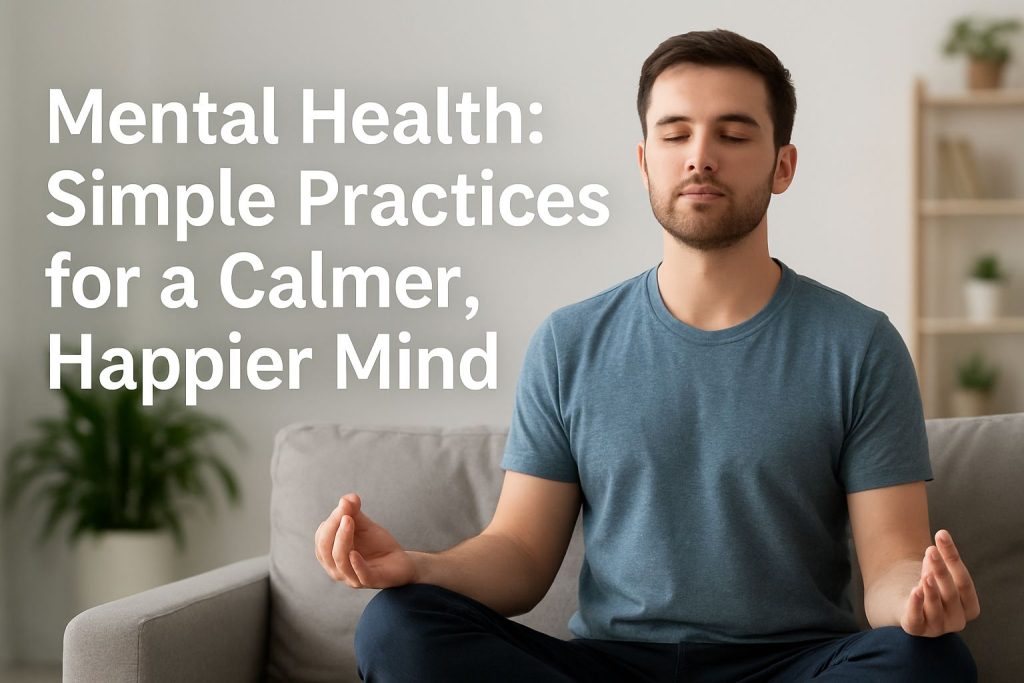
Mental Health explained : How to be Calm and Live A Peace full life.
Mental Health: Simple Practices for a Calmer, Happier Mind
Mental health affects how we think, feel, behave, and interact with the world. A healthy mind supports better relationships, clearer decisions, emotional balance, and a more peaceful daily life. In today’s fast-moving world, taking care of your emotional well-being is just as important as taking care of your body.
This guide shares simple, proven habits that help reduce stress, prevent anxiety, and improve overall mental wellness.
💭 What Is Mental Health and Why Does It Matter?
Mental health is the foundation of a balanced life. It shapes how you handle challenges, manage emotions, stay motivated, and connect with yourself and others.
Good mental health helps you:
•Stay calm during difficulties
•Build stronger relationships
•Improve focus and productivity
•Maintain a positive mindset
•Sleep better
•Feel confident and grounded
Taking care of your mind daily prevents stress from turning into long-term emotional issues.
🌱 Daily Habits to Maintain Strong Mental Health
You don’t need expensive therapy or complex routines. Small, daily habits can protect your mental well-being and build emotional resilience.
🧘♂️ 1. Practice Mindfulness to Reduce Stress
Mindfulness means paying attention to the present moment without judgment.
Just 5 minutes a day can reduce anxiety, calm your thoughts, and improve inner peace.
Try simple activities like:
•Focusing on your breathing
•Sitting quietly with eyes closed
•Being fully aware while eating or walking
Mindfulness helps your mind slow down and reset.
💬 2. Talk About Your Feelings
Keeping emotions inside often increases stress and frustration.
Talking to someone you trust friend, family, or even writing in a journal helps release emotional weight.
Healthy communication supports emotional well-being and prevents mental pressure from building up.
💤 3. Prioritize Good Sleep
Your mind cannot function properly without good rest.
A lack of sleep increases anxiety, irritability, and negative thoughts.
To improve your sleep routine:
•Avoid screens 30 minutes before bed
•Keep your room quiet and dark
•Sleep at the same time every night
•Do light stretching or deep breathing
A well-rested mind is a stronger mind.
🚶 4. Stay Physically Active
Movement is one of the most effective natural stress relievers.
Exercise releases “feel good hormones” that improve mood, reduce tension, and boost energy.
Activities that help mental wellness:
•Walking
•Yoga
•Home workouts
•Cycling
•Dancing
Even 10 minutes a day can change how you feel.
>5. Practice Daily Gratitude
When life feels overwhelming, gratitude helps shift your focus from stress to positivity.
You can try:
•Writing 3 things you’re grateful for
•Noticing the small good things in your day
•Appreciating yourself for small wins
Gratitude builds a healthier mindset and improves emotional balance.
📵 6. Reduce Screen Overload
Excessive phone use increases stress, comparison, and mental fatigue.
Set boundaries by:
•Creating “no-phone” times
•Turning off unnecessary notifications
•Avoiding social media in the morning or before sleep
Protecting your mind from digital overload strengthens your mental well-being.
> 7. Practice Self-Compassion
Be kind to yourself.
Mental health improves when you stop self-criticism and start self-acceptance.
Try saying:
•“I am doing my best.”
•“It’s okay to take a break.”
•“I don’t have to be perfect.”
Self-compassion helps you feel emotionally safe and supported.
🔒 How to Prevent Mental Health Problems Before They Grow
Prevention is easier than recovery.
Here are powerful habits that protect your mental health:
•Spend time outdoors for fresh air and sunlight
•Maintain healthy routines
•Engage in hobbies you enjoy
•Nourish your body with balanced meals
•Stay connected with supportive people
•Set small, realistic goals each day
•Take breaks when your mind feels overloaded
These habits keep your emotional well-being strong and prevent long-term mental struggles.
❓ Common Questions About Mental Health
1. How can I calm my mind quickly?
Focus on slow breathing, drink water, move your body, or step outside for fresh air.
2. Can lifestyle changes improve mental health?
Yes. Good sleep, movement, healthy food, and mindful routines are proven to reduce stress and anxiety.
3. When should I seek professional help?
If you experience long-term sadness, panic, lack of motivation, or feel emotionally overwhelmed, guidance from a trained therapist is important.
🌟 Final Thoughts
Mental health is a daily practice not a one-time task.
By adding small positive habits into your routine, you build a stronger, calmer, and happier mind.
You deserve a healthy life mentally.
You deserve peace.
You deserve balance.
You deserve to be happy.
And you deserve a life where your mental well-being comes first.
Leave a Reply