Workouts & Fitness: Your Complete Guide to Strength, Cardio, and Healthy Living
A simple guidelines to build a strong, healthier body through smart and effective workout and fitness habits.
Your Guide to Effective Workout and Fitness Habits for a Stronger, Healthier Life
Staying active is one of the most powerful ways to improve your overall health. Whether you’re starting your fitness journey or looking to upgrade your workout routine, understanding the basics can help you stay consistent and motivated. Below is a clear and practical guide combining key points and short paragraphs to make the content easy to read and ideal for your website.
Why Fitness Matters
Regular exercise improves your physical, mental, and emotional well-being. It strengthens the heart, boosts energy levels, supports weight management, and reduces stress. A solid workout routine also enhances posture, metabolism, and overall confidence. In a world where most people spend long hours sitting, staying active is essential for long-term health.
Benefits of Regular Workouts
•Improves cardiovascular health
•Supports healthy weight loss and fat burning
•Builds lean muscle and increases strength
•Enhances mobility, flexibility, and balance
•Boosts mood and lowers anxiety
•Increases daily energy levels
•Helps maintain long-term health and longevity.
Choosing the Right Workout Routine
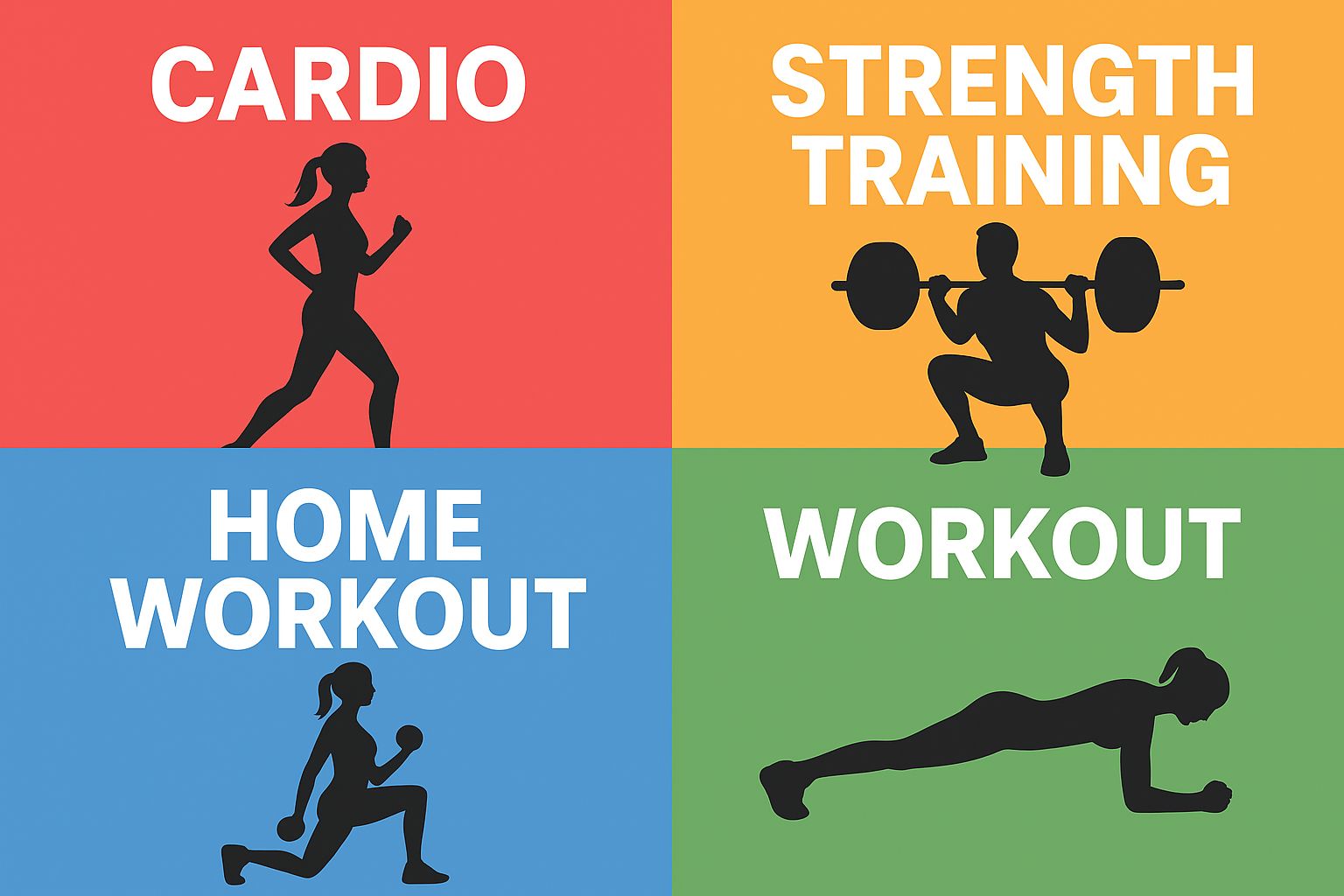
Not every fitness plan works for everyone. The best workout routine is one that fits your goals, schedule, and lifestyle. Some people thrive on strength training, others love cardio workouts, and many prefer home workouts because of convenience. Start with what you enjoy and gradually challenge yourself.
Key Types of Workouts
1. Strength Training
Strength training is essential for building muscle, improving posture, and increasing metabolism. You can train at home with dumbbells or resistance bands, or at the gym using machines and free weights.
Benefits:
•Builds muscle strength
•Increases metabolism
•Helps with long-term fat loss
Examples:
•Squats
•Push-ups
•Deadlifts
•Shoulder press
•Dumbbell rows
2. Cardio Workouts
Cardio improves heart and lung health and helps burn calories efficiently. You don’t need to run for miles simple movements can make a difference.
Examples:
•Brisk walking
•Jogging
•Cycling
•Jump rope
•Dance workouts
3. Flexibility & Mobility Training
Many people skip flexibility training, but it’s essential for preventing injuries and supporting a full range of motion.
Examples:
•Yoga
•Pilates
•Dynamic stretching
•Static stretching after workouts
How to Start Your Fitness Journey (Step-by-Step)
1.Define your goals – Do you want to lose weight, gain muscle, improve endurance, or simply stay active?
2.Choose simple workouts – Start with bodyweight exercises and low-intensity cardio.
3.Create a weekly routine – Plan 3–5 workout days depending on your schedule.
4.Increase intensity gradually Add more reps, weight, or time once your body adapts.
5.Listen to your body – Avoid pushing through pain and take rest days when needed.
6.Track your progress – Keep notes or use an app to stay motivated.
Sample Weekly Workout Plan
•Day 1: Full-body strength training
•Day 2: Cardio workout (20–30 minutes)
•Day 3: Upper-body strength + core exercises
•Day 4: Light cardio or active recovery
•Day 5: Lower-body strength training
•Day 6: Yoga or flexibility workout
•Day 7: Rest
This simple plan helps balance strength, endurance, and mobility.
Nutrition: Fuel for Better Performance
Your workout results depend heavily on what you eat. A balanced diet gives your body the nutrients it needs to perform, recover, and build lean muscle.
Important Nutrition Points
•Protein builds muscle: chicken, fish, eggs, tofu, Greek yogurt.
•Healthy carbs fuel workouts: oats, brown rice, whole grains, fruits.
•Healthy fats support recovery: nuts, avocado, olive oil.
•Hydration is key: drink enough water throughout the day.
Eating whole, nutrient-dense foods helps boost strength and supports weight loss exercises.
Rest and Recovery Matter
Many beginners believe more workouts equal faster results, but rest is just as important as training. Muscles grow and repair during downtime, not during workouts.
Tips for better recovery:
•Get 7–8 hours of sleep
•Include one or two rest days per week
•Try light stretching or slow walking on rest days
•Don’t ignore signs of fatigue or pain
Staying Motivated Over the Long Term
Motivation can fade, so habits are what keep you consistent. Small steps add up, and seeing progress—no matter how small—helps you stay committed.
Motivation Tips
•Set small, realistic goals
•Track your progress weekly
•Mix up your workouts to avoid boredom
•Workout with a friend or join a fitness group
•Celebrate small wins
Final Thoughts/Conclusion
Fitness is not about perfection it’s about consistency. When you combine the right workouts with balanced nutrition, proper rest, and a positive mindset, you build a healthier and stronger version of yourself. Start where you are, take one step at a time, and stay committed to your goals. Your body and mind will thank you for the effort.
Leave a Reply