Balanced Diet Guide for Healthy Living Life and a Healthy Body
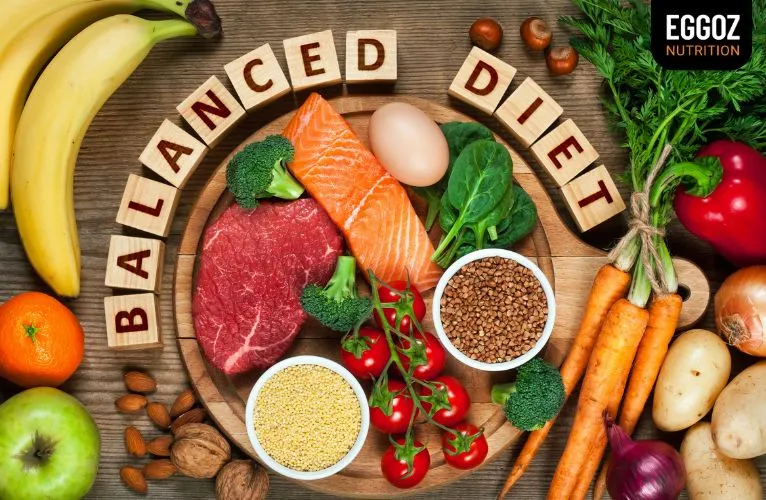
Balanced Diet Guide for Healthy Living For All Age Groups.
Balanced Diet Guide for Healthy Living Across All Age Groups People
A balanced diet is essential at every stage of life, but the nutritional needs of the body change as we grow. From childhood to old age, what we eat directly affects our energy, immunity, mental clarity, and long-term health. Understanding the unique dietary needs of each age group helps build strong foundations and prevents many lifestyle-related health issues.
Balanced Diet for Children (4–12 years)
Children require nutrient-dense foods because their bodies are growing rapidly. Their diet should include whole grains, milk or dairy alternatives, fresh fruits, vegetables, and lean proteins. Calcium-rich foods like milk, paneer, yogurt, ragi, almonds, and leafy greens support bone development. Protein sources such as eggs, lentils, fish, and chicken help build tissues and support immunity. Children need healthy fats from nuts, seeds, and avocado for brain development. Limiting processed snacks, sugary drinks, and excessive fried foods helps maintain healthy weight and energy levels.
Balanced Diet for Teenagers & Young Adults (13–25 years)
This stage involves hormonal changes, academic stress, and increased physical activity. Young individuals need more protein for muscle growth and recovery, especially if they play sports or work out. Complex carbs like oats, brown rice, and whole wheat give long-lasting energy. Iron-rich foods such as spinach, beans, dates, and lean meats prevent fatigue. Hydration and micronutrients like vitamin D, B12, and omega-3 are crucial for mental focus. Avoiding junk food, excessive caffeine, and late-night eating helps maintain hormonal balance and ideal body composition.
Balanced Diet for Mid-Age Adults (26–50 years)
During this stage, metabolism naturally slows down, and lifestyle disorders like weight gain, diabetes, and high cholesterol become more common. A diet rich in fiber, whole grains, vegetables, fruits, and lean proteins helps maintain metabolic health. Reducing refined carbs and choosing healthy fats like olive oil, nuts, and seeds helps balance cholesterol levels. Adults should include antioxidant-rich foods such as berries, tomatoes, turmeric, ginger, and green tea to reduce inflammation. Portion control, mindful eating, and consistent hydration are essential for preventing weight gain.
Balanced Diet for Older Adults (50+ years)
As the body ages, nutrient absorption decreases, and muscle mass tends to drop. Older adults benefit from protein sources like eggs, fish, tofu, dal, and dairy to maintain strength. Calcium, vitamin D, and magnesium support bone health, reducing the risk of fractures. Fiber from fruits, vegetables, and whole grains helps improve digestion. Soft, easy-to-chew foods may be useful depending on dental health. Reducing salt, unhealthy fats, and sugars supports heart health and blood pressure. Hydration becomes even more important to prevent fatigue and weakness.
Final Thoughts/ Conclusion
A balanced diet is not one-size fits all. Each age group requires different nutrients, but the foundation remains the same whole foods, seasonal produce, proper hydration, and mindful eating. When combined with regular physical activity and adequate sleep, a balanced diet becomes a powerful tool for lifelong health.
Leave a Reply